


Vancouver Cable Railings provide open-view architectural guards for commercial and multi-family properties. Therefore, the selected infill and support design must meet project-specific requirements.


Accurate post layouts help establish cable lengths and termination locations. In addition, the design must accommodate structural movement and tolerances.
01
02
03
04
Site inspections help identify damaged cables, loose fittings and alignment concerns. Moreover, early corrections can improve consistency.
01
02
03
04
Structural guard design includes cables, posts, end connections and building anchors. Consequently, the entire assembly needs review.
Open cable infill can preserve views from commercial terraces. However, accessibility and safety requirements may restrict its use.
Exterior hardware needs protection from salt exposure and dissimilar-metal corrosion. Moreover, inspection intervals should reflect site conditions.
Temperature and building movement can affect cable tension. Therefore, maintenance procedures should address adjustment only where permitted.
Open infill may allow airflow through a railing. Nevertheless, this characteristic does not establish wind protection or code suitability.
Regular checks should include cables, tensioners, end posts and anchors. Accordingly, property managers should retain the manufacturer's instructions.


Powder-coated metal posts and stainless steel cables can complement contemporary facades. Moreover, material compatibility matters in coastal environments.


Site inspections help identify damaged cables, loose fittings and alignment concerns. Moreover, early corrections can improve consistency.

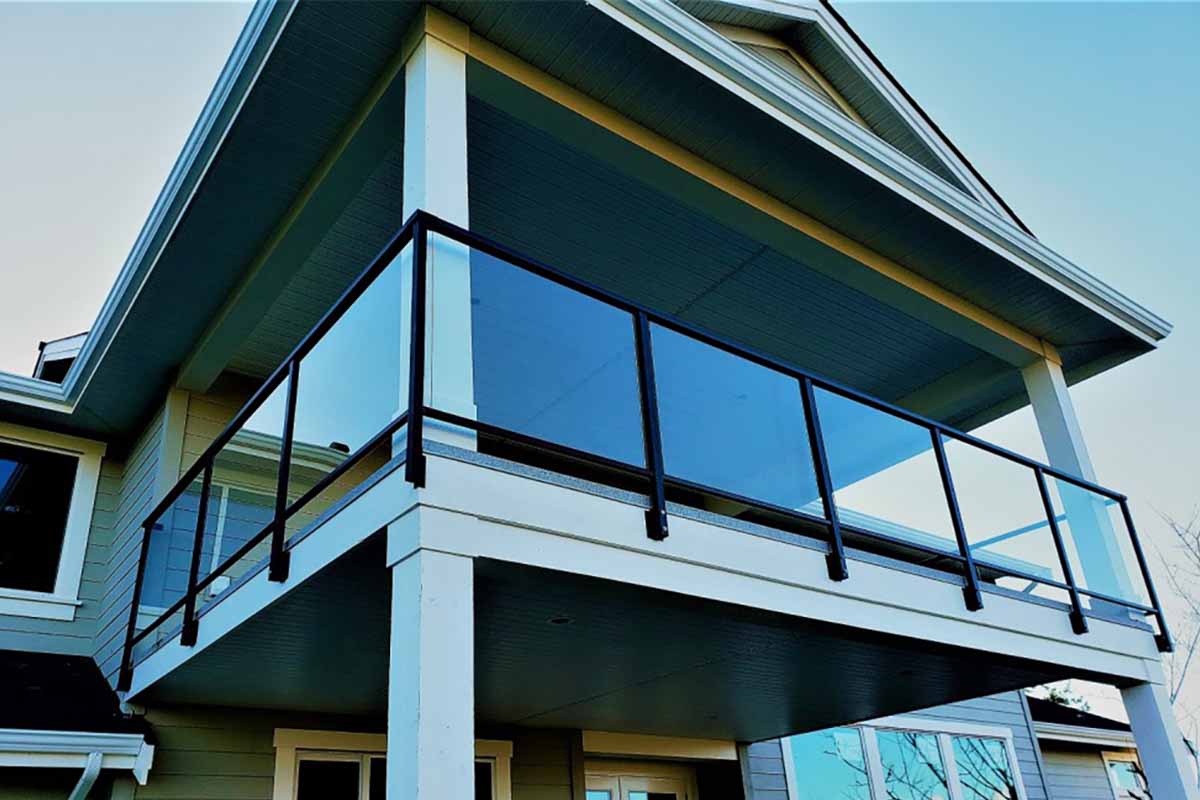


Our wire railing installations fully comply with the National Building Code of Canada, ensuring safety, structural integrity, and long-term reliability.

We follow CAN/CSA A440.4 standards for proper design, secure installation, and consistent performance of wire railings.

Our wire railings are engineered using high-strength marine-grade materials that meet required lateral load and spacing regulations, preventing accidental passage and ensuring maximum safety.

Where applicable, we adhere to NAFS (North American Fenestration Standard) guidelines to ensure proper sealing at mounting points, reducing water infiltration and improving overall system durability.

We use 316-grade stainless steel and high-durability powder-coated finishes to provide superior corrosion resistance and long-lasting performance, even in Canada’s harsh weather conditions.

Every installation we perform is in full compliance with Canadian safety codes, providing peace of mind to homeowners, builders, and property managers.


